
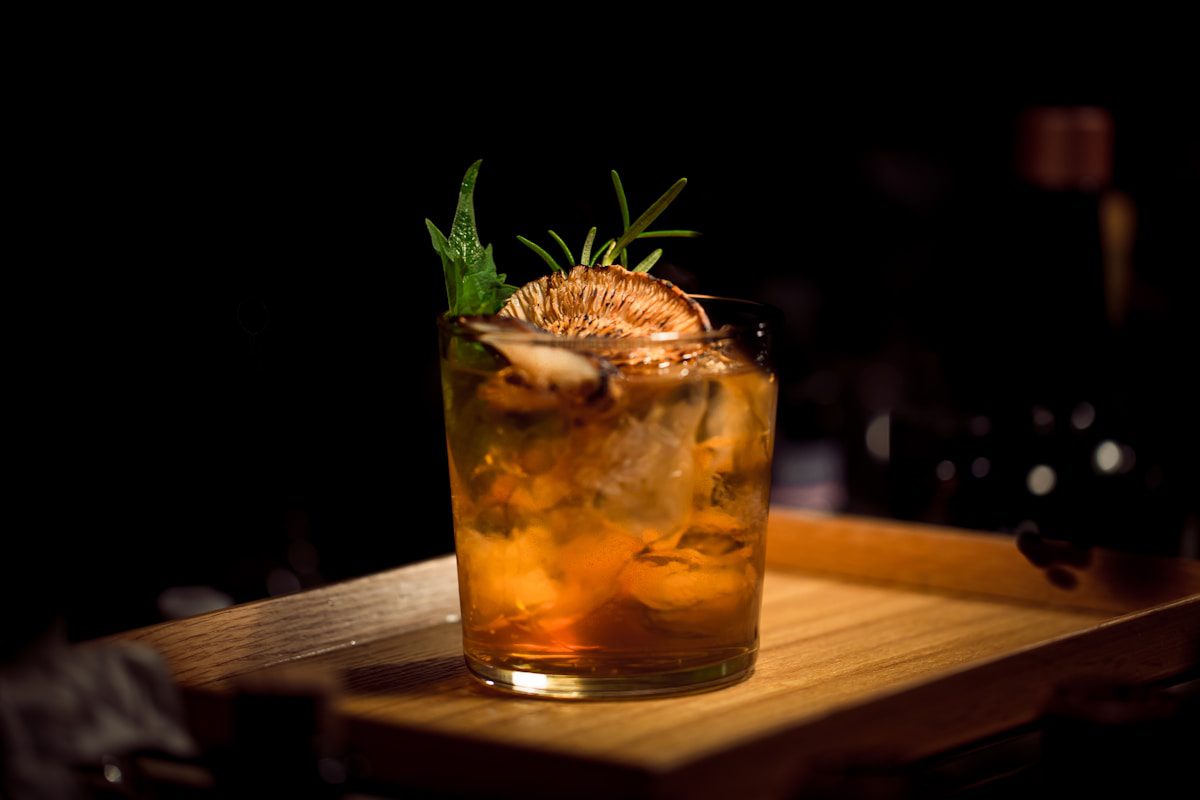
Let’s be honest — half the appeal of a beautiful cocktail is how it looks. The right cocktail garnishes can transform a good drink into a great photograph, but more importantly, they add aroma, flavor, and the kind of finishing touch that signals you actually care about what you’re serving.
Whether you’re hosting a dinner party, building your Instagram presence, or just want to feel like a professional bartender in your own kitchen, these cocktail garnishes are achievable at home and genuinely stunning. From the classic lemon twist to edible flowers, here’s how to make your drinks look like they came from a high-end cocktail bar.
Why Cocktail Garnishes Matter Beyond Aesthetics
Before we dive in, a word on purpose: the best cocktail garnishes aren’t just decorative. A properly expressed citrus peel changes the aroma profile of a drink. Fresh herbs bruised and slapped add volatile oils that float just above the glass. Even the way ice is prepared affects the visual and sensory experience of a cocktail.
So while Instagram-worthy is part of the goal here, these techniques actually make your drinks taste and smell better too. That’s the double win.
1. The Classic Citrus Twist
The citrus twist is the most fundamental of all cocktail garnishes. Used on everything from a Martini to a Negroni, a properly executed lemon or orange twist does two jobs: it looks beautiful, and when you “express” it over the glass, it releases a mist of aromatic citrus oils that perfume the entire drink.
How to make it:
1. Use a Y-peeler to cut a wide, oval strip of peel from a fresh lemon or orange (avoid the white pith — it’s bitter).
2. Hold the peel skin-side down over the glass, between both thumbs.
3. Snap it sharply to release the oils. You’ll see (and smell) the spray.
4. Run the peel around the rim of the glass and either drop it in or perch it on the edge.
Best for: Martinis, Negronis, Old Fashioneds, any spirit-forward cocktail.
2. The Citrus Wheel
Simple, clean, and universally photogenic. A citrus wheel (thinly sliced round of lemon, lime, or orange) perched on the rim of a glass is one of the most recognizable cocktail garnishes in the world.
Tips: Slice citrus as thin as possible (about ¼ inch) for the most elegant look. Cut a small notch from the center to the edge so it sits securely on the rim. For color contrast, use a blood orange wheel on a pale drink.
Best for: Gin & Tonics, Aperol Spritz, any highball.
3. The Cocktail Cherry
The cherry is a loaded symbol in cocktail culture. The neon-red maraschino cherry of diner booths is far from the real thing. A Luxardo Maraschino Cherry (the Italian original) is dark, dense, and slightly boozy — miles better than anything mass-produced.
A quality cherry dropped into a Manhattan or Old Fashioned is a visual anchor and a flavor reward at the end of the drink.
Where to find them: Luxardo cherries are available at most well-stocked liquor stores or online. One jar lasts a long time.
Best for: Manhattans, Old Fashioneds, Whiskey Sours, Aviations.
4. The Fresh Herb Sprig (Slapped and Floated)
Mint is the most common herb garnish, but basil, rosemary, and thyme all have their place. The technique is what makes it work: slap the herb sprig between your palms before placing it in the drink.
Slapping bruises the leaves and releases volatile aromatic compounds. Hold the sprig just above the glass for maximum aromatic effect when the drinker first lifts the glass. The combination of visual greenery and immediate aroma hit is one of the best cocktail garnish combinations going.
Best for: Mojitos (mint), Gin Smashes (basil), Whiskey Sours (thyme), Spritzes (rosemary).
5. The Dehydrated Citrus Wheel
Dehydrated citrus wheels have become one of the most popular cocktail garnishes on Instagram for good reason — they’re striking, shelf-stable, and add a beautiful jewel-like quality to drinks.
How to make them:
1. Slice citrus (lemon, lime, orange, or blood orange) into ¼-inch wheels.
2. Pat dry with paper towels.
3. Arrange on a wire rack over a baking sheet.
4. Bake at 200°F (93°C) for 2-3 hours, flipping once, until the slices are dry but not brown.
5. Cool completely and store in an airtight container. They keep for 2-3 weeks at room temperature.
Dehydrated wheels can be used whole as a float garnish or sliced partway and perched on the rim. They work beautifully with drinks featuring matching citrus flavors.
Best for: Margaritas, Spritzes, Palomas, any brightly colored cocktail.
6. The Edible Flower Float
Edible flowers are the power move of cocktail garnishes. A pansy, viola, or nasturtium floating on the surface of a pale cocktail is almost impossibly beautiful in photographs.
Sourcing: Look for edible flowers at farmers’ markets, specialty grocery stores, or grow your own — pansies and violas are easy to grow and prolific. Make sure they’re labeled food-safe and unsprayed.
Application: Float a single flower on the surface of the finished drink, face-up, in the last 30 seconds before serving. They wilt quickly, so timing matters.
Best for: Elderflower cocktails, French 75s, sparkling wines, any clear or pastel drink.
7. The Cucumber Ribbon
The cucumber ribbon is a simple cocktail garnish that looks far more technical than it is. Using a vegetable peeler or mandoline, run it along the length of a cucumber to create a long, thin strip. Fold or roll it loosely and tuck it into the glass or perch it on the rim.
Beyond visual appeal, the cucumber ribbon adds a fresh, vegetal aroma to drinks — it works especially well with gin-based cocktails.
Best for: Gin & Tonics, Cucumber Martinis, any herbaceous cocktail. Check out our [Cucumber Mint G&T recipe](https://social-cocktail.com/easy-spring-cocktails) for a great use case.
8. The Spiced or Flavored Salt Rim
The rim is underrated as a garnish canvas. Beyond the classic salt rim on a Margarita, you can create custom rim blends that both look beautiful and add flavor complexity with every sip.
Ideas for cocktail garnish rims:
- Tajín (chili-lime salt) on Margaritas and Palomas
- Smoked paprika + salt on Mezcal cocktails
- Cayenne + sugar on mango or passion fruit cocktails
- Black sesame + salt on Gin Sours for something visually dramatic
- Dehydrated raspberry dust + sugar on sparkling wine cocktails
For technique: always apply the rim before building the drink. Moisten the glass edge with citrus (not water), dip at a 45° angle for a half-rim (classier than full), and let set for 30 seconds before filling.
Best for: Margaritas, Spicy cocktails, Mezcal drinks, sweet-sour cocktails.
9. The Rosemary or Cinnamon Smoke
Lighting a sprig of rosemary or a cinnamon stick and letting it smolder briefly before placing it on or near a cocktail creates a theatrical smoke effect that genuinely elevates the sensory experience — not just visually, but aromatically.
How to do it:
1. Hold a rosemary sprig or cinnamon stick over an open flame (a lighter works fine) until it starts to smolder.
2. Gently blow out the flame.
3. Place the smoking sprig in the drink or balance it across the rim.
4. Serve immediately — the smoke effect only lasts 30-60 seconds but the aroma lingers.
This technique pairs beautifully with smoky spirits like mezcal or with earthy, autumnal drinks. See our [Classic Margarita Variations](https://social-cocktail.com/classic-margarita-recipe) for a mezcal context.
Best for: Mezcal cocktails, Bourbon Sours, holiday cocktails, any dramatic presentation.
10. The Cocktail Flag
The cocktail flag is a classic bar garnish that skewers two or three elements on a cocktail pick — think a cherry + orange slice, or a strawberry + mint leaf. It’s colorful, textural, and gives guests something to interact with (and eat).
Creating good flags:
- Vary textures: pair soft fruit with something firm
- Vary colors: contrast light and dark, bright and neutral
- Keep it proportional: 2-3 elements max for a highball; 1-2 for a smaller coupe
- Use proper cocktail picks (reusable metal or bamboo) — they look much better than toothpicks
Best for: Tiki drinks, Tropical cocktails, Mojitos, Whiskey Sours.
Cocktail Garnishes: Quick Reference Guide
| Garnish | Skill Level | Time Required | Best For |
|———|————-|—————|———-|
| Citrus twist | Easy | 30 seconds | Martinis, stirred cocktails |
| Citrus wheel | Easy | 1 minute | Highballs, spritzes |
| Fresh herb sprig | Easy | 15 seconds | Mojitos, smashes |
| Dehydrated wheel | Medium | 2-3 hours (prep) | Margaritas, brunch drinks |
| Edible flower | Easy | 30 seconds | Sparkling, delicate cocktails |
| Cucumber ribbon | Easy | 1 minute | Gin cocktails |
| Flavored rim | Easy | 2 minutes | Margaritas, sours |
| Smoke garnish | Medium | 1 minute | Mezcal, smoky cocktails |
| Cocktail flag | Easy | 2 minutes | Tiki, tropical drinks |
The difference between a cocktail that gets served and one that gets photographed often comes down to the last 60 seconds of preparation. Cocktail garnishes don’t require professional training — just a little intention, the right tools (a peeler and a paring knife take you 90% of the way), and an eye for color and contrast.
For the tools to make all these garnishes happen at home, check out our roundup of the [best bar tools for home bartenders](https://social-cocktail.com/best-bar-tools-home-bartenders-2026).
Which garnish are you adding to your next cocktail?
About the author: [Author Name] is a food and drink writer with a passion for the culture behind the cocktail. Follow on Pinterest and Instagram for weekly cocktail recipes and garnish inspiration.
Recommended Bar Gear
- Cocktail Picks and Skewers Set
- Citrus Peeler and Channel Knife
- Cocktail Garnish Tray with Compartments
- Microplane Zester for Citrus Peel
- Bar Spoon for Stirring and Layering
- Cocktail Shaker Set
As an Amazon Associate, social-cocktail.com earns from qualifying purchases at no extra cost to you.


Leave a Reply