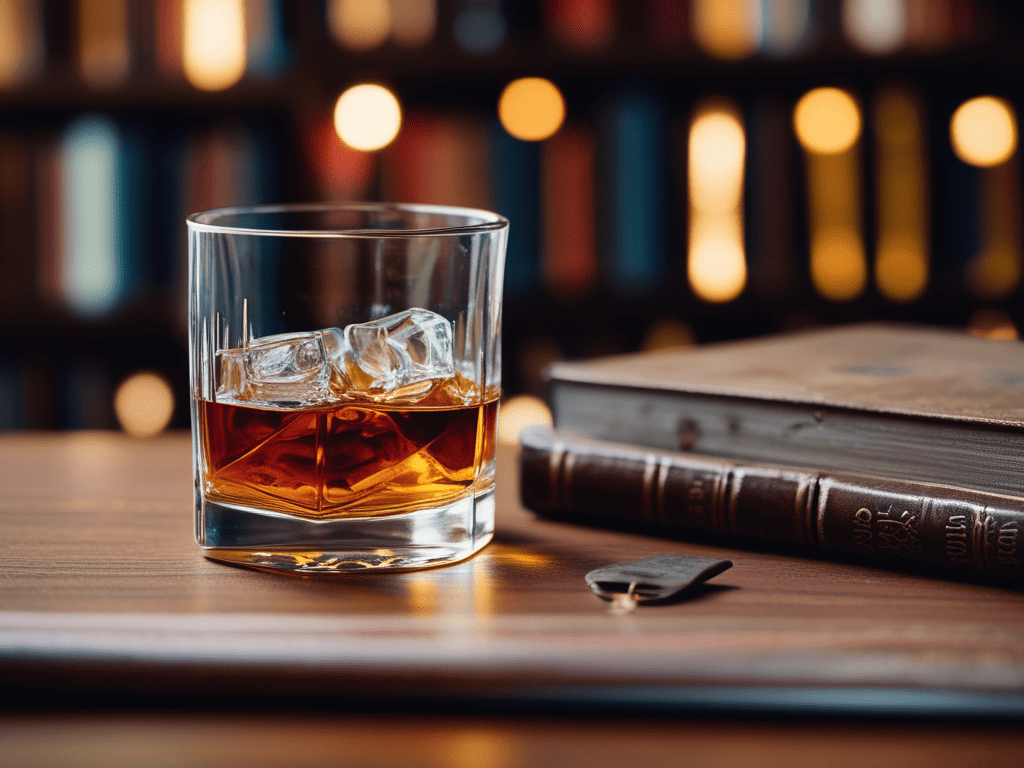
Scotch whisky, often simply called Scotch, is not just a drink. It narrates Scotland’s rugged landscapes. It tells of its rich history and meticulous craftsmanship. Here’s a brief exploration into what makes Scotch a revered spirit worldwide.
The Origins Scotch has been distilled in Scotland for centuries, with the earliest records dating back to 1494. Nevertheless, the art of distillation likely arrived from Ireland with monks who were spreading Christianity. Over time, what started as ‘uisge beatha’ or ‘water of life’ evolved into the complex spirit we know today.
What Makes Scotch, Scotch?
Ingredients: At its core, Scotch is made from malted barley, water, and yeast. Some variations allow for other grains, but barley is king in traditional Scotch.
Regionality: Scotland’s diverse regions contribute unique characteristics to their whiskies. Each region tells its own story through its Scotch. The peaty, smoky flavors of Islay stand out distinctly. In contrast, the Lowlands offer lighter, floral notes. Famous Islay malts include Laphroaig and Ardbeg, while Speyside is home to distilleries like Glenfiddich and Macallan, known for fruitier, more delicate styles. Not every Scotch is a peat bomb. In the Highlands, Glenmorangie makes a light, fruity, elegant style (here’s why we think Glenmorangie is the most underrated Scotch in Scotland).
Aging: By law, Scotch must be aged in oak barrels for at least three years. Many are aged much longer. This aging process in Scotland’s climate imparts complexity and depth to the whisky.
Types of Scotch:

Single Malt: Made from 100% malted barley in one distillery. It’s the product of a single distillery’s craft.
Blended Scotch: A blend of one or more single malts with grain whisky. These are often smoother and account for the majority of Scotch sales worldwide. Famous blends like Johnnie Walker and Chivas Regal show how blending creates smooth, balanced whiskies for a wide range of palates.
The Flavor Profile Scotch can range from light and floral to rich and full-bodied. Here are some flavor notes you find:
Peat: Often found in Islay Scotches, peat gives a smoky, earthy flavor. This is due to the malted barley being dried over peat fires.
Fruit and Spice: Common in Speyside whiskies, where you taste apples, pears, honey, vanilla, or spices.
Sea Salt: Highland and some Island Scotches carry a hint of the sea, with briny or salty notes.

Enjoying Scotch To truly appreciate Scotch:
Nose It: Smell is a significant part of the experience. Notice the aromas before you taste.
Taste: Take a small sip and let it roll over your tongue. Consider the flavors, the mouthfeel, and the finish.
Water: A few drops of water can open up the whisky, revealing hidden flavors.
The Culture Scotch isn’t just about drinking; it’s about the experience. Whether it’s enjoyed in a cozy Scottish pub, at a formal tasting, or by a fireside at home. Each glass tells a tale of tradition, patience, and passion. In closing, Scotch whisky is more than just a spirit. It’s a testament to Scotland’s heritage. It’s a craft perfected over generations. It’s a drink that invites you to pause, savor, and think. Whether you’re a seasoned connoisseur or a curious newcomer, there’s always something new to discover in the world of Scotch. Slàinte Mhath!
Three Bottles Worth Trying
Here are a few of my favorite Scotches.
Auchentoshan American Oak
A Lowland single malt matured in American oak casks, which gives it a smooth, creamy texture. On the nose you’ll find vanilla, coconut, and citrus. The palate is rich and sweet, with caramel, toffee, and hints of spice, and the finish is long and gently warm. A great pick if you like a smooth, approachable whisky with a touch of sweetness.
Bruichladdich The Classic Laddie
An unpeated Islay single malt with a vibrant golden hue. It combines sweet, fruity notes with malted barley and a gentle sea breeze. The palate shows vanilla, caramel, and soft spice, with zesty citrus and tropical fruit, and the finish is long, warm, and slightly salty. It’s made from 100% Scottish barley and bottled at 50% ABV (the current release is labeled “10 Aged Years”). A great addition to any collection, whether you’re a connoisseur or a beginner.
Balvenie 12 Year Old DoubleWood
The DoubleWood is matured first in traditional oak casks and then finished in sherry casks, which gives it a well-rounded, velvety character. Expect vanilla, toffee, ripe fruit, and cinnamon, with a long, satisfying finish. Enjoy it neat, on the rocks, or in a cocktail.
