The Robust History of Rye Whiskey
Rye whiskey, with its spicy and robust flavor profile, holds a storied place in the annals of American spirits. Here’s a delve into its rich history, from its origins to its modern resurgence.
Early Beginnings in America
Rye whiskey’s story begins with the earliest European settlers in North America. These settlers were particularly those from Scotland and Ireland. They were accustomed to making whiskey from barley. Upon arriving in the New World, they found barley less abundant. However, rye, a hardy grain, thrived in the northeastern United States. By the late 17th century, rye became the grain of choice for whiskey production in regions like Pennsylvania and Maryland.
The Whiskey Rebellion
Rye whiskey was at the heart of one of America’s first tests of federal authority: The Whiskey Rebellion of 1794. Western Pennsylvania farmers, who made rye whiskey, fiercely opposed the excise tax imposed by the new federal government. Although the rebellion was quelled, it underscored rye whiskey’s economic importance and its role in early American life.
Pre-Prohibition Era
By the 19th century, Pennsylvania and Maryland had become centers for rye whiskey production. Monongahela Rye from Pennsylvania was especially famous, known for its rich, bold flavor. This era saw rye whiskey flourishing, with brands that would become legendary starting to make their mark.

Prohibition’s Impact
The onset of Prohibition in 1920 was a near-death knell for rye whiskey. Many distilleries closed, never to reopen. The American palate began shifting towards softer, legally imported Canadian whiskies or illicit spirits. Rye production dwindled, and after Prohibition, bourbon, made primarily from corn, took over as the more popular American whiskey.
Decline and Near Extinction
Post-World War II America saw further decline in rye’s popularity. Cocktails like the Manhattan, which traditionally used rye, were often made with bourbon or Canadian whisky. Rye whiskey became a niche product. Only a few distilleries like Old Overholt kept the tradition alive. However, they did so on a much smaller scale.
The Rye Revival
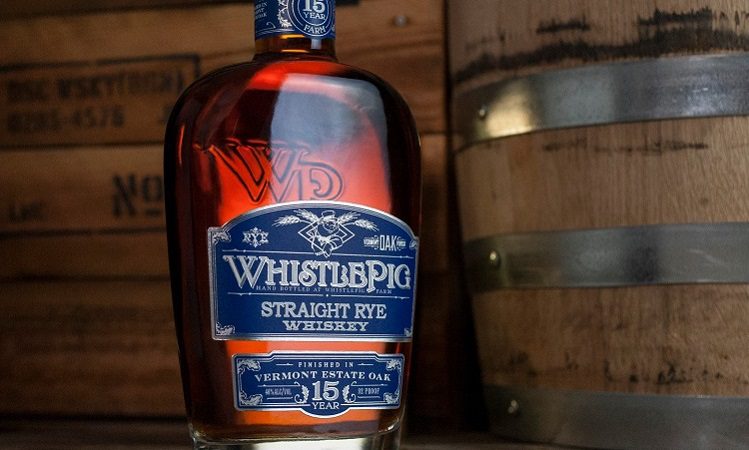
The 21st century brought with it a renaissance for craft spirits. Rye whiskey found its savior in the cocktail revival. Mixologists and whiskey enthusiasts rediscovered rye for its distinctive flavor, which adds complexity to classic cocktails. This resurgence began in the early 2000s. Brands like Rittenhouse Rye, Sazerac Rye, and newer entries like WhistlePig led the charge.

Dads hat rye whiskey is a part of the rye revival, celebrating the rich heritage of rye whiskey production that has deep roots in American history. It’s a modern micro distillery in Bristol, PA, where tradition meets innovation. They make rye the way it’s supposed to be, using high-quality Pennsylvania rye grain combined with an old rye recipe from Pennsylvania that has been passed down through generations. This commitment to traditional methods, along with a contemporary twist, allows them to create a spirit that reflects the true essence of rye. Their careful craftsmanship and attention to detail result in a whiskey that not only pays homage to the past but also embraces the future of distilling, offering a distinct flavor profile that has garnered praise from connoisseurs and casual drinkers alike. With each sip, you can taste the passion and dedication that goes into every bottle, making Dads hat a standout choice for anyone seeking an authentic rye experience.
Modern Innovations
Today, the resurgence of rye is not just about revival but also innovation. Craft distilleries are experimenting with different mash bills, aging processes, and finishes, expanding the flavor profile of rye. Distilleries are also exploring “high rye” bourbons, which incorporate more rye in the mash than traditional bourbons, blurring the lines and enriching the whiskey landscape.
Environmental and Economic Impact
The revival of rye has had additional benefits. Rye is a cover crop that can be grown in colder climates, helping with soil conservation. Its cultivation supports local agriculture, providing a grain that’s both ecological and economical for farmers in cooler regions.
Looking to the Future
Rye whiskey’s journey started as the staple spirit of colonial times. It became a nearly forgotten relic, and now it is a celebrated artisanal product. This journey mirrors broader trends in American culinary and cultural revival. Consumers seek authenticity, history, and unique flavors. Rye whiskey stands out as a spirit with a tale to tell and a taste to savor. In conclusion, rye whiskey’s history is a testament to the cyclical nature of trends. It demonstrates the resilience of tradition and the ever-evolving palate of the American consumer. You can sip rye whiskey neat or on the rocks. It also serves as the backbone of a classic cocktail. Rye whiskey continues to write its chapter in the story of American spirits.
Explore Rye Whiskey at Home
See also: Best Whiskey Sour Recipes

Leave a Reply