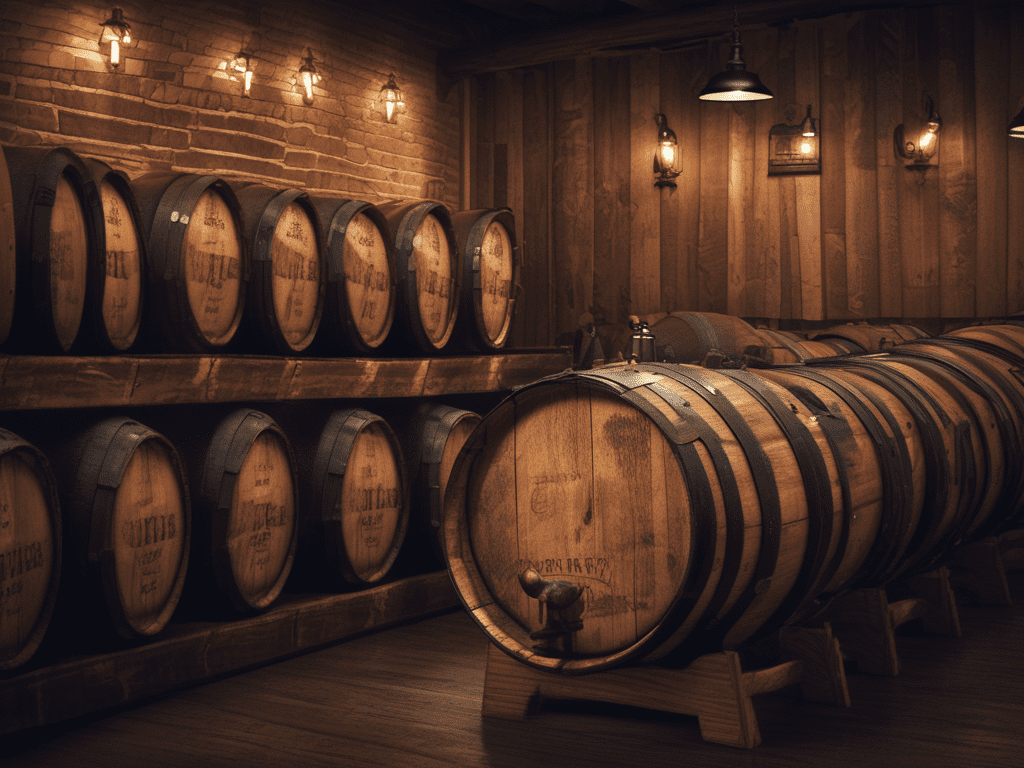
Whiskey is a spirit deeply ingrained in American culture. It has a heritage that spans centuries. This heritage weaves through the fabric of the nation’’s history, economy, and social life. Here’’s a journey through the storied past of whiskey in America:
Early Beginnings: The roots of American whiskey trace back to the late 18th century. This period coincided with the arrival of Scotch-Irish immigrants. These settlers brought with them the knowledge of distilling. They adapted it to the New World’’s abundant grains, particularly corn, rye, and barley. The first recorded distillery in America was established in 1640 in what is now Rye, New York.

The Whiskey Rebellion: The late 1700s saw the Whiskey Rebellion, a pivotal moment in whiskey’’s heritage. In 1791, when the new U.S. government imposed an excise tax on distilled spirits, farmers in Western Pennsylvania revolted. Many of these farmers supplemented their income by distilling whiskey. This event underscored whiskey’’s economic significance and its role in early American resistance against federal overreach.
Bourbon’’s Birth: Bourbon, arguably America’’s most iconic whiskey, has its own lore. While there’’s debate over its exact origins, bourbon’’s heritage is often linked to Kentucky. By the late 18th century, Kentucky’’s limestone-filtered water and fertile soil proved ideal for corn cultivation. Corn became the primary ingredient in bourbon. The Kave Distillery, established in 1783, is often cited as one of the earliest producers of what would become bourbon.

The Industrial Age and Prohibition: The 19th century saw whiskey production boom with industrialization. Distilleries like Jim Beam and Maker’’s Mark began operations, and whiskey became a staple in American saloons. Nevertheless, the early 20th century brought Prohibition (1920-1933), a dark age for whiskey. Prohibition was intended to curb alcohol consumption. Instead, it led to a surge in illegal distilling and bootlegging. It also caused a decline in quality control. Post-Prohibition, the industry had to rebuild, focusing on quality and branding.
Modern Renaissance: Post-World War II, whiskey faced competition from lighter spirits and cocktails. But, by the late 20th and early 21st centuries, there was a renaissance. Craft distilleries emerged, reviving traditional techniques and experimenting with new flavors. This period also saw a renewed interest in heritage brands. The rise of whiskey tourism, with Kentucky’’s Bourbon Trail becoming a pilgrimage for enthusiasts, played a significant role.
Cultural Impact: Whiskey’’s heritage isn’’t just about the drink but the culture it fostered. From the speakeasies of the Prohibition era to the modern-day bourbon bars, whiskey has been a companion in celebrations. It has served as a muse for literature (think of Faulkner’’s whiskey-soaked tales). It is also a symbol in music, especially in country and blues.
Conclusion: The heritage of whiskey in America is a testament to innovation, resilience, and cultural integration. Whiskey has distilled the essence of American spirit into every drop. This has been true from colonial times through rebellion, economic shifts, and cultural movements. Today, as we sip on a bourbon or rye, we’’re not just tasting a drink. We are partaking in a rich, storied heritage that continues to evolve. This heritage evolves much like the nation itself.

Leave a Reply